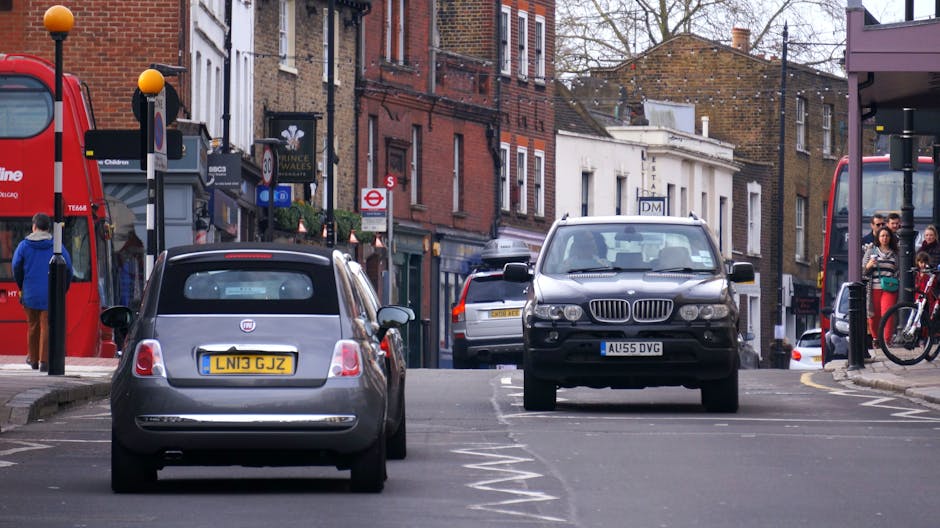
W5 removals costs and parking tips for Ealing Broadway moves
Moving in W5 can feel deceptively simple on paper. Then you hit the narrow streets, the station traffic near Ealing Broadway, a missing parking space, and suddenly the whole day feels a bit more complicated. If you are trying to understand W5 removals costs and parking tips for Ealing Broadway moves, this guide breaks it down in plain English: what affects pricing, how parking really affects the job, and what to do before the removals team arrives. It is designed for real-life moves, not ideal ones. The kind where the lift is slow, the boxes are heavier than you expected, and everyone wants to finish before the rain starts.
Use this article to compare options, plan around local access challenges, and avoid the hidden time losses that can quietly push a removal bill up. A little preparation goes a long way, honestly.
Why W5 removals costs and parking tips for Ealing Broadway moves Matters
Ealing Broadway is one of those places where the geography matters just as much as the packing. In W5, the difference between a smooth move and a frustrating one often comes down to access: can the van stop close enough, is there room to unload, and will the crew spend twenty minutes circling for a legal space? Those small things add up. They affect labour time, vehicle positioning, carrying distance, and the risk of delays.
That is why people searching for removals in Ealing Broadway are usually trying to solve two problems at once. First, how much will the move cost? Second, how do I keep the move from becoming a parking headache? The two are tied together more closely than most people expect. If parking is awkward, the crew may need more time, a larger vehicle strategy, or extra hands for carrying. If parking is well planned, the move can stay cleaner, faster, and more predictable.
To be fair, a removal quote is not just about the number of boxes. A flat on a side street above the shops is a very different job from a house with a driveway and a clear turning point. If you want a quote that reflects reality rather than guesswork, it helps to be detailed from the start. That is where clear pricing and quote guidance becomes genuinely useful.
There is also the trust side of things. When a company explains how it handles parking, access, protection of furniture, and timing, it usually means the job has been thought through properly. That matters in W5 because the local mix of terraces, mansion blocks, flats above commercial units, and busier roads can turn a simple move into a puzzle if nobody has planned the route and stopping point.
Practical takeaway: in Ealing Broadway moves, parking is not a side issue. It is part of the cost, the schedule, and the overall moving experience.
How W5 removals costs and parking tips for Ealing Broadway moves Works
Most removal pricing is shaped by a handful of familiar factors: the size of the property, how much furniture and boxing there is, how far the move is, how much packing support you want, and how easy the property is to access. In W5, access tends to be the one that catches people out. A move that looks small on a spreadsheet can still be slow if the van cannot park nearby or if the team has to carry items around corners, up steps, or across a shared forecourt.
Think of the job in layers. The first layer is the vehicle and crew. The second is the packing and loading time. The third is access, parking, and distance from door to van. The fourth is any extra care needed for fragile items, awkward furniture, or dismantling. If you are moving a piano, for example, or a heavy wardrobe that will not fit through the hallway, the job becomes more specialised and the pricing changes accordingly. Services such as piano removals or furniture removals exist because those items need different handling, not just more muscle.
Parking itself usually affects the move in three ways:
- Distance: the farther the van is from the property, the longer the carry and the more time the crew spends moving each item.
- Waiting time: if a legal parking spot is not available on arrival, the team may need to wait, reposition, or split the unloading process.
- Risk: double parking, obstructing traffic, or using unsafe stopping points can lead to stress, complaints, or avoidable problems.
People often ask whether a larger van saves money. Sometimes it does, sometimes it does not. A bigger vehicle can reduce the number of trips, but in tight W5 streets it may be harder to place close to the entrance. That is why the best option depends on the exact layout of the move. A smaller van with a tighter parking plan can outperform a larger vehicle that ends up parked too far away. If you are comparing vehicle choices, the options on man with van, removal van, and moving truck can help frame the decision more clearly.
The same thinking applies to different types of move. A family house move, a student relocation, and an office relocation all feel different on the day. House moves may need extra time for larger furniture and more boxes. Student moves are often lighter but more time-sensitive. Office moves can be more structured, but they may involve equipment, document handling, and a firm deadline. Relevant options such as house removals, student removals, and office removals are there because each scenario has its own rhythm.
Key Benefits and Practical Advantages
Planning costs and parking together gives you more than a tidier move. It gives you control. That sounds a bit obvious, but control is what keeps the day from unraveling when things go slightly off-script.
Here are the main benefits of treating W5 move costs and parking as one planning exercise:
- More accurate quotes. If the company knows about parking limitations, steps, shared entrances, or lift access, the estimate is less likely to shift later.
- Less waiting around. A sensible parking plan helps the crew start work promptly and keep the day moving.
- Reduced carrying distance. A closer parking position protects your furniture and reduces strain on the moving team.
- Fewer surprises. You are less likely to discover, on moving morning, that the only available space is on the other side of the road and two doors down.
- Better protection for items. Shorter carries usually mean fewer bumps, less wobble, and less chance of the sofa catching the frame of the doorway.
There is a practical side too. Good parking planning can make it easier to stage the move in phases. For example, fragile boxes can go first, followed by heavier furniture, and then items from storage or loft spaces. If you need temporary holding space between dates, storage can be a sensible buffer rather than trying to squeeze everything into one exhausting day.
Another advantage is emotional, strangely enough. A clear move plan makes the day feel manageable. You are less likely to be standing by the window at 7:45 a.m. wondering whether the van will ever arrive. That kind of uncertainty drains energy before the heavy lifting even starts.
Who This Is For and When It Makes Sense
This guidance is for anyone moving in or around Ealing Broadway who wants fewer surprises and a better handle on the budget. That includes homeowners, tenants, landlords arranging a turn-around, students moving into shared accommodation, and small businesses that need to relocate without losing a full day to access problems.
It makes particular sense if any of the following sound familiar:
- You live on a road where parking is usually tight after 8 a.m.
- Your property is in a block of flats with limited loading space.
- You are moving from or into a high street property above shops.
- You have bulky furniture, fragile items, or anything awkward to carry.
- You need to coordinate a move with a tenancy deadline, completion time, or office opening.
Not every move needs the same level of planning. A light student move with a few boxes and a small desk is different from a full family relocation with wardrobes, appliances, and a pile of kitchen equipment. If the job is relatively simple, a compact service like man and van may be enough. For larger or more formal relocations, you may want to look at broader removal services or even specialist support through home moves and commercial moves.
If the move is being driven by a tight deadline, or you have just had a chain delay and need to move quickly, same-day support may be relevant. It is not always the cheapest route, of course, but it can save a lot of stress. Sometimes that matters more than squeezing out a tiny saving.
Step-by-Step Guidance
Here is a practical way to plan W5 removals costs and parking for an Ealing Broadway move without turning it into a full-time project.
1. List what is actually moving
Start with a room-by-room list. Be honest. The things tucked in cupboards, under beds, and on top of wardrobes all count. A good quote depends on real volume, not the optimistic version you give yourself at midnight.
2. Note access at both properties
Write down whether there are stairs, lifts, narrow hallways, or awkward doorways. Mention whether the property is on a main road, side street, or within a managed block. If one address has easy parking and the other does not, say so plainly. That single detail can change the whole plan.
3. Think about parking before moving day
Look at where a van could reasonably stop. The aim is not to block traffic or create a fuss; it is to identify a realistic unloading point. If you cannot park directly outside, estimate the carry distance. A five-metre carry is very different from a fifty-metre one.
4. Choose the right service level
Some people only need transport and loading help. Others want packing support, dismantling, or unpacking at the other end. If you want the job to feel calmer and more controlled, a service like packing and unpacking services can save a lot of time. If you already have the boxes sorted, then packing and boxes may be the more useful route.
5. Ask for the quote in writing
A written quote helps everyone stay on the same page. It should reflect the key details: property size, access, parking concerns, and any special items. If you need reassurance about payment handling and security, it is worth checking the company's payment and security information as part of your due diligence.
6. Prepare the property the day before
Separate essentials, label boxes clearly, and make sure corridors are clear. If the crew can move cleanly from room to room, the job tends to flow better. Sounds obvious. Yet people are often still zipping up boxes while the van is already outside. We have all seen it.
7. Confirm the final timing
Moving day is not the day to rely on vague assumptions. Confirm arrival time, access instructions, any contact numbers, and where the vehicle should stop. That last part matters more than people think.
Expert Tips for Better Results
After enough moves, a few patterns show up again and again. The strongest results come from small, practical choices made early.
- Book with access in mind, not just price. A cheap quote can become expensive if the move takes longer because of parking or carrying distance.
- Measure awkward items. Large sofas, beds, and wardrobes are often the first things to create friction in hallways and stairwells.
- Keep a parking plan simple. One clearly identified stopping point is better than three possible ones that are all a bit questionable.
- Move early if you can. Morning starts often give you a better chance of finding a workable space and avoiding heavier traffic.
- Protect floors and corners. In older W5 properties, narrow stairwells and scuffed hall edges are common. A little protection goes a long way.
- Use storage when the timing is messy. If completion dates and tenancy handovers do not line up neatly, a short storage gap can prevent a rushed handover.
One small but useful habit: keep one bag aside for keys, chargers, documents, snacks, water, and a kettle if you are moving house. That bag becomes gold around tea time. Trust me, you do not want to be hunting for a phone charger while the kettle is somewhere under a pile of bedding.
If you are comparing removal companies, look for clear communication rather than polished sales language. The best signs are often boring ones: they ask about stairs, they ask about parking, and they do not pretend every move is identical. You can also learn a lot from a company's background and approach through about us and house removalists pages, where available.
Common Mistakes to Avoid
There are a few classic mistakes that push costs up or make parking a nightmare. The good news is they are all avoidable.
- Underestimating volume. A move that starts as "a few bits" often becomes a full van load once cupboards are opened.
- Ignoring parking until the day itself. This is the big one. If you leave parking to chance, you are effectively betting your schedule on luck.
- Forgetting building rules. Some flats or managed developments have loading restrictions, lift booking windows, or access requirements. Check early.
- Leaving boxes unlabeled. Unclear labelling slows unloading and makes the first evening in the new place more chaotic than it needs to be.
- Booking a service that is too small for the job. A tiny van might look economical, but not if it needs three trips.
- Not mentioning heavy items. Pianos, safes, large mirrors, and oversized furniture need proper planning.
There is also a softer mistake: trying to do everything yourself because you feel you should. Let's face it, moving is one of those jobs that makes perfectly sensible people start negotiating with their own back muscles. Sometimes bringing in help is the smarter, calmer option.
If your move includes a mix of furniture disposal and relocation, you may also want to separate what is being taken with you from what is not. For unwanted pieces, furniture pick up can help keep the move leaner and less cluttered.
Tools, Resources and Recommendations
You do not need a complicated toolkit for a local move, but a few sensible resources make a big difference.
- Room checklist: helps you estimate volume and avoid forgetting the small items.
- Simple measurements: tape measure, especially for sofas, beds, and tall furniture.
- Box labels: room names, priority level, and whether the box is fragile.
- Phone notes: useful for parking instructions, gate codes, contact names, and timing.
- Protective packing materials: blankets, wrap, tape, and sturdy boxes.
For a well-organised move, you may want to combine transport with packing support or, if it is a business move, coordinate the shift through office relocation services. For smaller local jobs, a removal van can be enough. For bigger household jobs, a more comprehensive house removals approach may be a better fit.
Do not overlook the practical policies either. If you want to understand how a company handles customer data, complaints, or service expectations, pages like privacy policy, complaints procedure, and terms and conditions are worth a read. Not glamorous, I know, but useful.
Law, Compliance, Standards, or Best Practice
For local removals, the main thing is to stay sensible, safe, and respectful of access rules. You do not need to become a parking expert, but you do need to avoid unsafe stopping, obstruction, and unnecessary risk. In London, that means thinking carefully about how a vehicle will load and unload without causing problems for other road users or pedestrians.
Best practice usually includes:
- parking legally where possible,
- keeping footpaths and entrances clear,
- avoiding unnecessary idling or blocking,
- protecting property during loading and transit,
- and making sure the team understands any site-specific instructions.
Safety and insurance matter too. A reputable moving team should be able to explain how they approach handling, transport, and protection of items. If you want to see how those issues are treated, the pages on insurance and safety and health and safety policy are the sort of documents that help set expectations.
For businesses, there may also be added practical expectations around building access, receipt handling, and minimising disruption. That is one reason office moves are often planned more tightly than home moves. The principle is simple: the more complex the property and the tighter the access, the more important preparation becomes.
Options, Methods, or Comparison Table
Choosing the right moving method in W5 often comes down to how much you are moving, how quickly you need it done, and how awkward the parking is likely to be. The table below gives a simple comparison.
| Option | Best for | Parking impact | Typical strength |
|---|---|---|---|
| Man and van | Smaller homes, student moves, single-room jobs | Often easier to position in tighter streets | Flexible and usually efficient for modest loads |
| Removal van | Local moves with a moderate amount of furniture | Balanced size for access and capacity | Good middle ground for many Ealing Broadway moves |
| Moving truck | Large households or bigger commercial jobs | May need more careful parking planning | Best when the volume justifies the larger vehicle |
| Full removal service | Whole-home relocations, fragile items, time-sensitive moves | Planned around access and unloading needs | More complete support with fewer moving-day headaches |
There is no single winner. A light flat move with a lift and manageable access may work beautifully with a compact setup. A large family move from a terraced house near the Broadway may benefit from a fuller team and a more structured plan. For many people, the sweet spot is not the biggest vehicle; it is the one that fits the street, the furniture, and the timeline.
If your move is tied to a flat, it may also be worth reviewing flat removals. If it is a more general relocation, removals and removal companies pages can help you compare the service style that feels right.
Case Study or Real-World Example
Imagine a two-bedroom flat move near Ealing Broadway station. The property is on a residential street where daytime parking fills quickly. There is a lift, but it is small, and the sofa will not fit unless it is angled carefully. The moving team arrives in the morning, but the first legal space is a short walk away. If nobody planned that in advance, unloading would be slow and maybe a bit tense.
In a better version of that move, the client flags the parking issue early. The crew selects a vehicle that suits the street, arrives with clear instructions, and stages the move so larger pieces go first while the corridors are still clear. One person handles doors and directions while the others manage carrying. No drama. No wandering around looking for the van. Just steady progress.
The difference is not magic. It is preparation. And a willingness to treat parking as part of the moving job rather than a separate nuisance.
For a family house move, the same principle applies on a bigger scale. If the move includes furniture that is too large for the hallway, or items that need dismantling, the quote and timing should reflect that. That is why specialist support from house removalists can be useful when the property is full, the schedule is tight, and the parking outside looks a little uncertain at first glance.
Practical Checklist
Use this checklist the week before your move. It keeps the day calmer, and calmer is good.
- Confirm the moving date, arrival time, and contact number.
- Share both addresses with full access details.
- Note parking restrictions, loading bays, or gate codes.
- Measure any bulky furniture or awkward items.
- Decide what is being moved, stored, sold, or disposed of.
- Label boxes by room and priority.
- Pack an essentials bag with documents, chargers, snacks, and keys.
- Protect floors, corners, and fragile surfaces if needed.
- Book packing help if the job feels too large to finish in time.
- Check relevant company information, including insurance and policies.
If your move timeline is messy, consider whether a temporary stop at storage might reduce pressure. Sometimes that one decision changes the whole tone of the move.
Conclusion
W5 removals costs and parking tips for Ealing Broadway moves are really about the same thing: making a local move predictable. Once you account for parking, access, carrying distance, and the type of property you are leaving or entering, the quote becomes easier to understand and the day becomes easier to manage. That is the point.
Whether you are moving a flat near the Broadway, a family home on a quieter street, or a business property with a tight schedule, the smartest approach is to plan the move around the road outside as much as the rooms inside. A little detail now can save a lot of stress later. And yes, it is a bit dull to think about parking this early. But boring planning is what makes moving day feel calm.
Get a free quote today and see how much you can save.
When the boxes are stacked, the keys are handed over, and the van finally pulls away, what you will remember most is not the paperwork. It is the relief of getting it done properly.
Frequently Asked Questions
How much do removals in W5 usually cost?
Costs vary based on property size, volume of items, distance, access, parking, and any extra services such as packing or dismantling. A small flat move will usually be simpler than a full house move, but parking can still change the price if it affects loading time.
Why does parking affect the price of an Ealing Broadway move?
If the vehicle cannot park close to the property, the crew needs more time to carry items, sometimes across a longer distance or through tighter access points. That extra time can affect the overall cost and the schedule.
Should I try to reserve parking for the removals van?
If your street is busy or parking is usually tight, it is worth planning a legal stopping point in advance and sharing it with the removals team. The exact method depends on local conditions and any building rules, so confirm the practical details early.
Is a man and van service enough for a W5 flat move?
Often yes, especially for smaller moves, student relocations, or one-bedroom flats. If you have more furniture, awkward items, or difficult access, a larger or more structured service may be better.
What should I tell the removals company before moving day?
Give them the full addresses, floor levels, lift access, parking limitations, any heavy or fragile items, and whether you need packing support. Clear information usually leads to a better quote and a smoother move.
How can I keep removal costs down without cutting corners?
Book early, pack what you can in advance, label boxes clearly, and be accurate about the amount you are moving. Clear access details also help avoid delays that can increase labour time.
Do I need packing help for a local move?
Not always. If you are organised and have time, you may only need transport. But if the move is time-sensitive, large, or full of fragile items, packing support can save a lot of stress.
What is the best type of vehicle for Ealing Broadway streets?
It depends on the property and parking. A smaller van is often easier to position in tighter streets, while a larger truck may suit bigger loads if there is enough space to stop safely and legally.
Can storage help if my moving dates do not line up?
Yes. If you are dealing with a gap between moving out and moving in, storage can take pressure off the schedule and stop the day from becoming rushed.
What happens if parking is worse than expected on the day?
The team may need to adjust the unloading plan, use a different stopping point, or take longer on the job. That is why it is important to describe parking conditions as accurately as you can before the move.
Are office moves handled differently from house moves?
Usually, yes. Office relocations often involve tighter timing, more equipment, and a need to reduce disruption. Access and parking still matter, but the overall plan tends to be more structured.
Where can I learn more about the company's policies and approach?
You can review the company's information on about us, insurance and safety, terms and conditions, and pricing and quotes for a clearer picture of how the service is run.