Northfields removal company guide for maisonette moves in Ealing
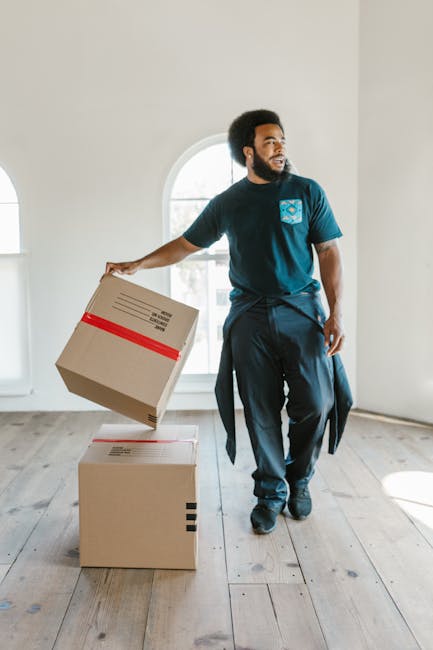
If you are planning a maisonette move in Northfields, you already know this is not quite the same as shifting from a standard ground-floor flat or a family house. There are stairs to think about, shared entrances, awkward corners, parking that may vanish just when you need it, and the usual London timing pressures. This Northfields removal company guide for maisonette moves in Ealing is designed to help you get ahead of the small details that can become big problems on moving day.
Truth be told, maisonette moves are often smoothest when they are treated like a little project rather than a simple van booking. In the sections below, you will find practical planning advice, common mistakes to avoid, a useful comparison of move options, and a realistic checklist you can actually use. If you want a broader look at related services while you plan, it can also help to review flat removals, home moves, and packing and boxes for extra support.
Table of Contents
- Why this matters for maisonette moves in Northfields
- How the moving process works
- Key benefits and practical advantages
- Who this guide is for
- Step-by-step guidance
- Expert tips for better results
- Common mistakes to avoid
- Tools, resources and recommendations
- Law, compliance, standards and best practice
- Options, methods, and comparison table
- Case study or real-world example
- Practical checklist
- Conclusion
- Frequently asked questions
Why Northfields removal company guide for maisonette moves in Ealing Matters
Maisonettes have a charm that many people love: a bit more separation than a flat, often more storage than you expect, and that semi-house feel without full house prices. But moving one is where the quirks show up. You may have internal stairs, external stairs, narrow hallways, split-level rooms, and shared access routes that make the route from front door to removal van longer than it looks on paper.
In Northfields, that matters even more because local streets can be tight, parking can be competitive, and timing a vehicle stop is rarely as simple as "just park outside." A good removal plan reduces stress, protects your furniture, and keeps neighbours onside. No one wants a sofa wedged on a stair landing at 8:15 in the morning while someone else is trying to get to work, to be fair.
The value of a Northfields-based removal company is not just muscle. It is local know-how: understanding how to work in confined spaces, how to protect bannisters and floors, how to sequence loading, and how to keep the move moving when the layout is a bit fiddly. A properly planned maisonette move feels calmer because the team has already thought about what can go wrong.
Expert takeaway: For maisonette moves, the best removal companies do not simply turn up with a van. They plan the access, the order of loading, the size of items, and the likely pinch points before the first box is carried.
If you are still comparing the style of move you need, it can help to look at broader removal services and the more specialist support offered through removals for households with awkward access or multiple floors.
How Northfields removal company guide for maisonette moves in Ealing Works
A maisonette move usually works best in stages. First comes the survey or move discussion, then the access plan, then packing and preparation, and finally the actual move day. That sounds simple enough, but each stage has little decisions hidden inside it.
1. Assess access early
A removal company should ask about stairs, lift access if any, parking restrictions, turning space, and whether large items need to be carried through a shared entrance or around the back. For maisonettes, these details can determine whether a standard van is enough or whether a larger vehicle, extra porter support, or a split load makes more sense.
2. Match the vehicle to the job
There is no one-size-fits-all solution. A compact move with a few rooms may suit a smaller vehicle or a man and van style service. A bigger maisonette with plenty of furniture could be better served by a dedicated moving truck or a full team. If you choose the wrong size, you can end up with extra trips, extra handling, or just unnecessary stress.
3. Prepare for carrying routes
With maisonettes, the route matters as much as the room count. Stairs can be tight, handrails may stick out, and corners may need a bit of "move, tilt, breathe, carry on" energy. Experienced movers protect surfaces, reposition items safely, and make sure heavy furniture is moved in the right order rather than shoved around in a rush.
4. Pack in a way that supports the layout
Good packing is not just about boxes. It is about making the move itself simpler. Keep heavy items in smaller boxes, label by room, and avoid overfilling boxes that need to travel down stairs. If you want structured support, packing and unpacking services can save a lot of faff and reduce breakage.
5. Load strategically
On the day, the team will usually load heavier and less fragile items first, then protect soft furnishings and boxed items around them. That reduces movement in transit and speeds up unloading. A well-run move often feels a bit like a quiet game of Tetris, only with much heavier pieces and fewer chances to get it wrong.
Key Benefits and Practical Advantages
A good Northfields removal company brings more than convenience. For maisonette moves, the benefits are practical and often very visible by the end of the day.
- Less physical strain: stairs, awkward turns, and heavy items are all handled by people used to the work.
- Better protection for property: bannisters, floors, doors, and shared hallways are less likely to suffer scuffs or knocks.
- Faster coordination: a well-planned route and load order can cut wasted time.
- Lower risk of damage: the right equipment and carrying methods reduce the chance of furniture or walls being damaged.
- More predictable timing: less waiting, fewer surprises, and a better chance of getting settled the same day.
There is also a quiet emotional benefit. People often underestimate how tiring a maisonette move feels. By the time you have gone up and down stairs a dozen times, even carrying a lamp starts to feel mildly heroic. A good moving team takes that burden away, which is a relief more than anything.
For some households, extra support is worth considering. If you are clearing out a property completely, you might also look at house removals or house removalists if your move includes more furniture than a straightforward flat relocation. And if you have items that need to be moved on a tight timeline, same-day removals can be a useful fallback, though they are usually best reserved for genuinely urgent situations.
Who This Is For and When It Makes Sense
This guide is for anyone moving into or out of a maisonette in Northfields or nearby parts of Ealing who wants the move done with less friction. That includes first-time movers, families moving up or down the property ladder, tenants whose move-out day is fixed, and homeowners who have more furniture than they would like to admit.
It also makes sense if your current home is only technically a maisonette but behaves like a mini obstacle course. You know the type: a narrow landing, one oddly shaped cupboard, and a staircase that seems designed by someone who never had to carry a mattress.
You will especially benefit from specialist planning if any of these apply:
- you have a long or steep stairwell
- you share an entrance with neighbours
- parking is limited or controlled
- you own large wardrobes, beds, or appliances
- you need help packing fragile items
- you are moving with children or pets and want the day to finish quickly
If the move is small and you mainly need lifting help, a man with van or man with a van arrangement may be enough. If you want a broader comparison of vehicle-led options, removal van and removal truck hire can also be relevant depending on volume.
Step-by-Step Guidance
A maisonette move becomes much easier when you break it into a clear sequence. Here is a practical way to approach it.
- Walk through the property carefully. Measure the biggest items and note any awkward corners, low ceilings, tight landings, or stair turns.
- Identify access issues. Check whether parking is close enough for a van, whether there are time restrictions, and whether the route includes shared spaces.
- Declutter before packing. The less you move, the faster and cheaper the job usually becomes. Old books, duplicate kitchen items, and forgotten storage boxes tend to multiply in maisonettes. Oddly.
- Pack room by room. Keep essential items separate so the first night in the new place feels manageable.
- Label clearly. Use simple labels like "kitchen fragile," "bedroom 1," or "top landing." It saves confusion later.
- Disassemble where sensible. Beds, tables, and some shelving units are easier to move when taken apart in advance.
- Confirm timing and parking. Double-check the move window, arrival time, and where the vehicle can safely stop.
- Keep valuables and essentials with you. Passports, keys, chargers, prescriptions, and a kettle should not be buried under cushions and mystery cables.
- Do a final sweep. Check cupboards, loft-style storage, under-stairs space, windowsills, and the back of bathroom cabinets.
For anything that is awkward, oversized, or particularly heavy, it is usually safer to let trained movers handle the lift. That includes bulky wardrobes, large mirrors, and delicate items like pianos. If that applies to you, piano removals are a specialist service for a reason.
Expert Tips for Better Results
Small details make a surprisingly big difference in maisonette moves. These are the things that tend to separate a chaotic day from a fairly calm one.
Plan for the first and last five minutes
The first five minutes often set the tone. If movers can enter easily, find the main items, and start on the right route, the rest of the job usually flows better. The same is true at the destination. Clear the path, open internal doors, and make sure someone knows where boxes are going.
Protect the stair run
Felt, blankets, corner protectors, and floor coverings are worth considering if your staircase is narrow or freshly painted. One scuff on a bannister can become the thing everyone notices, even if the move itself went well. Annoying, but true.
Keep boxes manageable
Books in oversized boxes are a common mistake. They become impossibly heavy. Use small cartons for dense items and reserve larger boxes for light, bulky belongings like cushions or bedding.
Have a backup plan for storage
Not every maisonette move lines up neatly. Sometimes completion times slip, renovation work delays a room, or you simply realise that not everything will fit on day one. Short-term storage can give you breathing space and stop the move from feeling rushed.
Choose the right level of help
There is no award for doing everything yourself. If packing is where you struggle, get packing support. If the volume is high, get a larger vehicle. If you are moving an office alongside home items, keep the jobs separate and consider office removals or office relocation services for the work side of things.
Common Mistakes to Avoid
Maisonette moves are usually manageable, but a few common mistakes can make them far harder than they need to be.
- Underestimating access: a van may be close enough in theory but impossible to park legally or safely in practice.
- Leaving packing too late: rushed packing leads to mixed boxes, breakage, and time pressure on the day.
- Forgetting shared spaces: neighbours, hallways, and communal areas need a bit of consideration.
- Ignoring the weight of books and kitchenware: these items add up quickly and create the heaviest boxes.
- Not measuring furniture: the wardrobe might fit the room, but not the stair turn. A classic problem.
- Booking the wrong service level: sometimes people book a tiny van when they really need a full team, or they choose a full-house approach when a smaller move would have been enough.
Another mistake is not asking questions early. A reliable company should be able to explain how they handle stairs, fragile items, parking pressure, and loading order. If that conversation feels vague, keep asking. It is your move, after all.
Tools, Resources and Recommendations
You do not need fancy equipment to move a maisonette, but a few basic tools make things much smoother.
- Strong boxes: use a mix of small and medium cartons rather than packing everything into one oversized box.
- Packing tape and labels: boring, yes. Absolutely essential, also yes.
- Furniture covers and blankets: useful for protecting sofas, mattresses, and wooden surfaces.
- Basic hand tools: a screwdriver or Allen key set can save time when dismantling furniture.
- Cleaning supplies: a quick clean before handover often makes a real difference, especially in rented maisonettes.
- Inventory list: keep a simple list of major items so nothing gets missed.
For service planning, the most useful pages are usually the ones that explain what support is available and how the booking process works. If you are weighing up service depth, removal services and packing and unpacking services are good starting points. If you want company background and values, about us can help you understand the people behind the service.
Law, Compliance, Standards, or Best Practice
For a maisonette move in Ealing, the main compliance issues are usually practical rather than complicated. You want the move to be safe, lawful, and considerate. That means checking parking arrangements, avoiding obstruction, and making sure the route is suitable for the vehicle and the load.
On the service side, reputable removal companies in the UK normally work with insurance, clear booking terms, and health and safety procedures. It is sensible to ask how belongings are handled, what protection is used for furniture and property, and what happens if access turns out to be more difficult than expected. You are not being difficult by asking. You are being sensible.
Good practice also includes:
- clear communication before move day
- reasonable protection of floors, walls, and doors
- safe lifting and carrying techniques
- honest pricing and written terms where available
- careful handling of fragile and high-value items
It is also wise to check policies that affect trust and process. If you want reassurance around professionalism, you can review health and safety policy, insurance and safety, and terms and conditions. Those pages help set expectations before the boxes start moving.
Options, Methods, or Comparison Table
Different maisonette moves need different approaches. Here is a simple comparison to help you think it through.
| Option | Best for | Strengths | Watch-outs |
|---|---|---|---|
| Man and van | Small moves, light furniture, quick local jobs | Flexible, often efficient for compact loads | May be too limited for larger maisonettes or heavy furniture |
| Full removal team | Medium to larger maisonette moves | Better for stairs, bulky items, and faster loading | Usually more involved to book, may cost more than a simple vehicle-only option |
| Storage plus move | Delayed completion, renovation gaps, staged moves | Creates breathing room and reduces pressure | Requires extra planning and potentially extra handling |
| Specialist service for awkward items | Pianos, oversized furniture, fragile pieces | Safer handling and better protection | Needs advance notice and careful assessment |
For smaller local jobs, a man and van setup can be enough. For fuller household moves, a service nearer to house removals may fit better. There is no wrong answer here, only the wrong match for your access, volume, and timing.
Case Study or Real-World Example
Imagine a typical Northfields maisonette move: a two-bedroom property on the first and second floor, with a narrow staircase, a king-size bed, a sideboard, boxed kitchenware, and a few fragile items packed by hand. The couple moving out have a fixed handover at midday, and the new place is only a short drive away, but parking outside the maisonette is tight.
In that situation, the smartest approach is usually to measure the large furniture in advance, dismantle the bed before move day, keep kitchen boxes small, and reserve the closest safe parking spot the moment it becomes available. A removal team can then work in a clear sequence: downstairs items first, bulkier furniture next, then fragile boxes last. That way, the property empties in a steady rhythm rather than a scramble.
The couple also keep a "first night" bag with toiletries, chargers, kettle, tea, toilet paper, and bedding. Sensible, really. By late afternoon, they are not living out of boxes quite as much as they feared, and the stairwell is clear. No drama. No broken lamp. Everyone breathes a little easier.
That is the real goal with maisonette moves in Ealing: not perfection, but control. A move can still feel like a lot, but a thoughtful plan trims away most of the stress.
Practical Checklist
Use this checklist in the week leading up to your move. It is simple, but it works.
- Confirm move date, time, and access details
- Check parking and vehicle access at both properties
- Measure large furniture and key doorways or stair turns
- Book the appropriate service level
- Collect packing materials and labels
- Pack fragile items separately and clearly mark them
- Dismantle beds and large furniture where needed
- Set aside valuables, documents, and essentials
- Notify neighbours if shared spaces may be affected
- Prepare keys, meters, and any handover paperwork
- Keep a cleaning kit for the final sweep
- Plan where the first-night boxes will go
Quick reminder: if your move involves a bigger clear-out, it may be worth combining the move with furniture removals or arranging furniture pick up for items you no longer want to take with you.
Get a free quote today and see how much you can save.
Conclusion
A maisonette move in Northfields does not have to become a long, exhausting saga. With the right planning, the right vehicle, and the right level of support, it can be a well-managed, fairly calm day. The key is to respect the access issues early rather than hoping they sort themselves out at the kerb. They usually do not.
If you remember only one thing from this guide, make it this: the smoothest moves are built before moving day starts. Measure, label, declutter, confirm access, and choose help that matches the property rather than just the postcode. That simple bit of judgement makes a huge difference.
And if you are still deciding what level of support you need, it can help to compare the service pages carefully, look at the company's recycling and sustainability approach, and check practical details like payment and security. A clear, honest plan beats a rushed one every time. Move well, and the rest of the day tends to follow.
Frequently Asked Questions
What makes a maisonette move different from a standard flat move?
A maisonette often has more stairs, more split-level access, and a route that is less straightforward than a single-floor flat. That changes how furniture is carried, where the van can stop, and how much time the move takes.
Do I need a full removal team for a small maisonette move?
Not always. If you have a compact load and straightforward access, a smaller service may be enough. But if you have heavy furniture, awkward stairs, or limited parking, a fuller team can be the better choice.
How far in advance should I book a Northfields removal company?
As early as possible, especially if you are moving at the end of the month, on a weekend, or during school holidays. Popular dates tend to go quickly, and a bit of lead time helps with planning.
Can a removal van handle stairs in a maisonette?
The van itself cannot, of course, but the team can. The key issue is whether the movers have enough people and the right equipment to carry items safely up and down stairs.
What should I pack separately on moving day?
Keep valuables, paperwork, medicines, chargers, keys, and a small overnight bag with toiletries and basic clothes separate. That saves a lot of panic later, especially if boxes arrive in the wrong room.
Is storage useful for maisonette moves?
Yes, especially if your dates do not line up neatly or you are reducing the amount of furniture you take immediately. Storage can take the pressure off a staged or delayed move.
How do I know whether my sofa or wardrobe will fit down the stairs?
Measure the item, the staircase width, and any turns or landings. If the fit looks tight, tell the removal company before move day so they can advise on disassembly or a safer route.
What is the safest way to move heavy boxes in a maisonette?
Use smaller boxes for dense items like books, keep the weight balanced, and do not overpack. Heavy boxes on stairs are where people get tired and careless. That is where accidents happen.
Should I empty drawers before the move?
Usually, yes. Emptying drawers reduces weight and prevents items shifting inside furniture while it is being carried. It also lowers the risk of damage to both the item and the stairwell.
Are same-day removals a good idea for maisonettes?
They can be, if the job is simple and urgent. But same-day bookings leave less time for access planning, parking checks, and packing. For maisonettes, a planned move is usually safer and calmer.
What should I ask a removal company before booking?
Ask how they handle stairs, whether they provide protection for floors and furniture, what size vehicle they recommend, and how they approach access problems. Clear answers usually tell you a lot about how the move will go.
Where can I find more information about the company's approach?
Useful pages to review include about us, insurance and safety, and complaints procedure. They help you understand professionalism, accountability, and what support to expect.